
Deep into Claude Code in 2026 - learnings and insights (pt1)
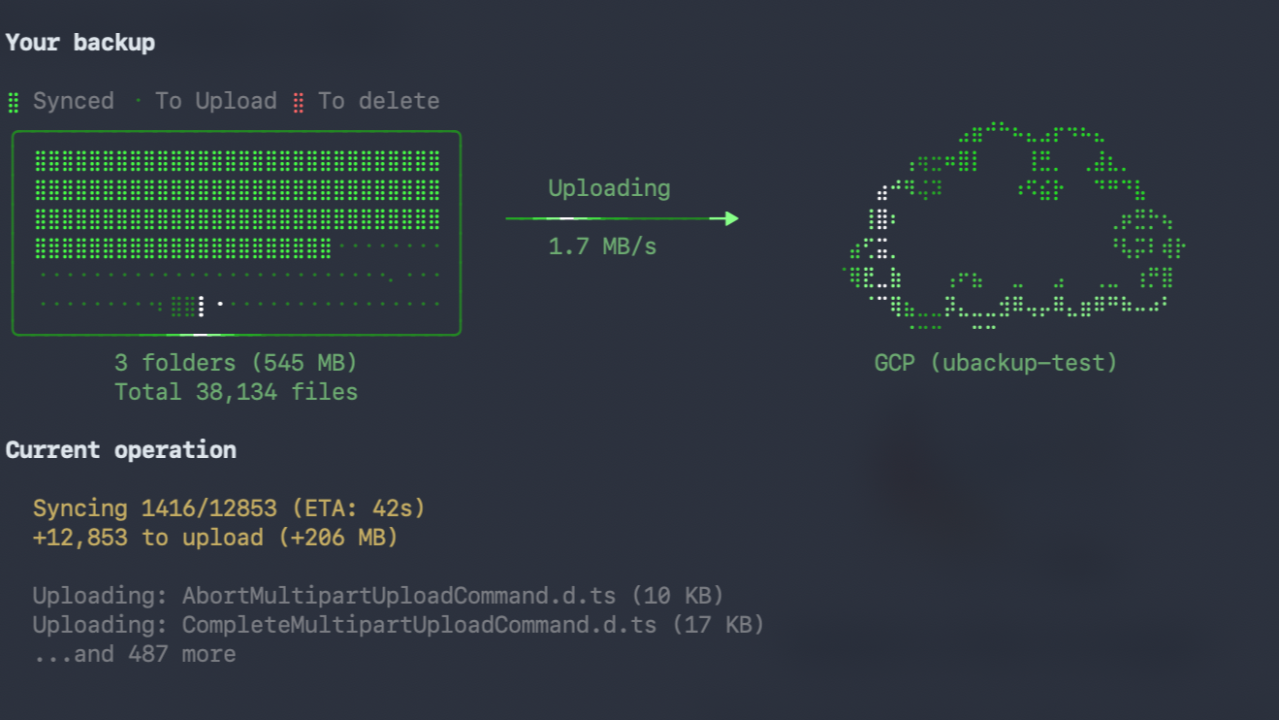
Week 1 of Sabattical - did some Claude Code on Opus 4.5. I'm impressed and excited, so sharing some reflections.
I timeboxed a week to do a random hobby thing - µbackup - a multi platform cloud backup client that supports your own cloud provider account. I'm using one of the commercial ones and thought it would be intereresting to implement my own. It has features like: cost estimates per operation, multiple backend support, hash based deduplication, batching of small files, compression, SQLite file index, etc. Went a bit wild. About 28k lines of code (5k is spec, 13k is code and 10k is tests).
But more than anything else, I wanted to try out the spec driven development workflow in a blank project where you can truly build efficient feedback loops for Claude, with the latest Opus 4.5 model. It's a long way from Cursor running 2000 concurrent agents to build a browser, but you have to start from somewhere.
General impressions:
- The most painful part was paying out the initial 208€ of my own money to Anthropic for the Claude Max monthly plan :). Managed to spend 39% of the weekly limit!
- It feels like the real bottleneck is now clearly your ability to envision what is the next best feature, not implementing it. This is both good, but also a bit sad for the world, because it means you can also create software in your head when you're trying to fall asleep.
- I started feeling that I waste my subscription if Claude is not working on something at any given time. I think if I would use API pricing, I would not feel that, but the Max plan really gives that vibe. This does not really help with work/life balance. I mean, you might as well give it its prompt before going to wash dishes, right?
Workflows
- The holy grail is really the setup where you can have Claude validate ALL of its goals itself and iterate until it's done. Minimize slow time (where you block its work). Try to break the record of the longest autonomous session it has had. Most important parts of your project are your PostToolUse hooks, strategy for automated testing and how you automate what goes into Claude's context.
- I wanted Claude to follow spec-driven TDD workflow as strictly as possible. Never write code before updating the spec. Never write code before the tests. The only reliable way to do it (I found) was to use a /implement skill that forces Claude to follow the checklist every time. The second most painful thing was all the times I forgot to do that and ended up explaining same things over and over.
- I ended up having 15 specs in markdown files, for different topics and features, all written in plan mode, amassing 5k LOC
- Context rot happens waaay sooner than when Claude starts to /compact things, and manifests as Claude getting tired and forgetting all the important agreements you have made (e.g. in CLAUDE.md)
- Pasting in 7 bugs and telling it so solve it in parallel in subagents works surprisingly well.
- Working on 3-4 (semi-isolated) features in parallel Terminal tabs, in the same git checkout, works surprisingly well. It can recover from conflicts or weird things that appear from other agents. But still, looking to git worktree solution soon.
- MacOS default dictation feature was surprisingly helpful alternative to typing in paragraphs of text for a longer prompt.
- One of my favourite prompts is definitely "I don't like how it looks, brainstorm 4-5 more different variants and let's pick one". You would never waste your own time to do this.
- I used YOLO mode throughout, except when I switched to plan mode. Plan mode is really good for asking you stuff you don't know you need to know, but more often than not, my planning session ended with a push and commit automatically. I asked once "How could you do this in plan mode?" and it said "The permission was implicit". Oh well. The AI Alignment Problem will be a pickle indeed.
Ended up creating commands/skills for:
/fix-ci-cd(uses github CLI to diagnose and fix issues)/code-review(comprehensive code review with 8 parallel subagents focused on architecture, documentation, code style, security etc) - inspired by Carl Rannaberg's claudekit/implementcommand (to enforce TDD and spec reading habbits)/release(summarize nice release notes based on git messages, propose semver number based on changes)/commit-and-push- check for secrets, clean up debug code, do the commit
Last time I really used Claude was with Sonnet, the difference is huge. This is definitely the most exciting thing I have experienced since discovering that you can actually make your own software.
